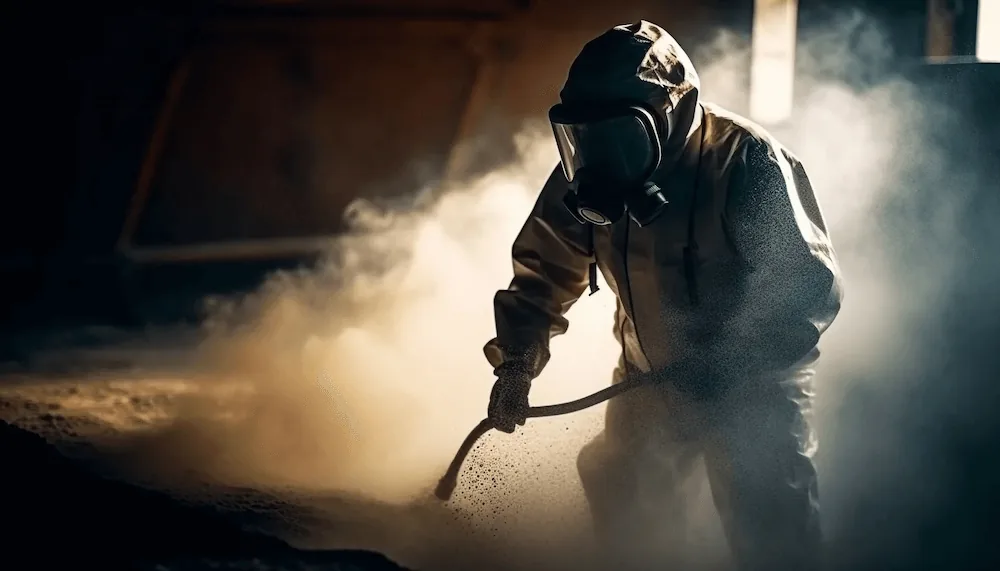
Older homes often come with charm, character, and history, but they can also harbor hidden dangers like mold and asbestos. Both of these hazards can pose serious health risks, especially if left unaddressed. If you own an older property in the Capital Region of NY, understanding the differences between mold and asbestos, as well as their potential impacts, is crucial for maintaining a safe living environment. In this article, we'll break down the risks associated with each and help you determine which might be the greater concern for your home.
Understanding Mold in Older Homes
Mold is a type of fungus that thrives in damp, humid environments. Older homes, with their potential for outdated plumbing, poor ventilation, or water damage, can be particularly susceptible to mold growth. Common areas for mold include basements, attics, and bathrooms, where moisture often accumulates.
Health risks associated with mold exposure include respiratory issues, allergies, and, in severe cases, toxic reactions to certain types like black mold. Beyond health concerns, mold can also damage the structural integrity of your home if left unchecked. Regular inspections and indoor air quality testing can help identify mold early, allowing for timely remediation.
The Dangers of Asbestos in Historic Properties
Asbestos, a naturally occurring mineral once widely used in construction for its fire-resistant properties, is another significant concern in older homes. It was commonly incorporated into insulation, flooring, and roofing materials until its dangers became widely recognized in the late 20th century. If your home was built before the 1980s, there's a chance it contains asbestos.
Unlike mold, asbestos is most dangerous when disturbed. When materials containing asbestos are cut, sanded, or broken, tiny fibers are released into the air. Inhaling these fibers can lead to serious conditions like asbestosis, lung cancer, and mesothelioma. The risk is lower if asbestos-containing materials are intact, but any renovation or demolition work requires professional handling to avoid exposure.
Comparing the Risks: Mold or Asbestos?
Determining which poses the greater risk depends on several factors, including the condition of your home and your family's specific health needs. Mold is often a more immediate concern because it can grow and spread quickly under the right conditions, directly impacting indoor air quality. Asbestos, on the other hand, may remain dormant and harmless unless disturbed, but its long-term health effects can be far more severe.
For homeowners in the Capital Region of NY, where older homes are common, it's wise to prioritize regular inspections for both hazards. Partnering with experts in environmental services can provide peace of mind by identifying potential issues before they escalate.
How to Protect Your Home and Family
The best way to mitigate the risks of mold and asbestos is through proactive measures. Start by scheduling professional assessments to detect any hidden problems. For mold, maintaining proper ventilation, fixing leaks, and controlling humidity levels can prevent growth. For asbestos, avoid DIY renovations in older homes and hire certified professionals for removal or encapsulation if it's found.
Ultimately, awareness and prevention are key. By understanding the dangers of mold and asbestos, you can take informed steps to ensure your older home remains a safe haven for you and your loved ones.
Looking for help with environmental concerns like mold, asbestos, radon, water damage issues and more?
AirWater Environmental LLC is a professional environmental services company based in Albany, NY, serving the Capital Region. Founded by experienced consultant John Snyder, we specialize in asbestos testing and abatement, black mold inspection and remediation, radon testing and mitigation, water damage restoration, NYS DOL red tag (stop work order) resolution, indoor air quality assessments, and biological disinfection for residential and commercial properties. Our certified team delivers accurate testing, safe remediation, detailed reports, and compliance solutions to protect health and restore environments.
Call us today at (518) 376-7345 for a free consultation and estimate.
Visit our homepage to learn more about our certified services: airwaterenv.com
Or get in touch directly through our contact page: airwaterenv.com/contact
Take action now—your healthier, safer home starts with one call.